Investing in real estate is a strategic decision that requires careful consideration of various factors to maximize returns and enhance property value. While factors such as location, amenities, and market trends play significant roles in the value of real estate investments, the importance of aesthetic appeal should not be underestimated.
Commercial painting is a cost-effective way to improve the appearance, durability, and marketability of commercial properties, ultimately adding value to real estate investments.
Here’s how commercial painting contributes to the success of real estate investments and why it’s a smart investment strategy for property owners and investors alike:
Enhancing Curb Appeal
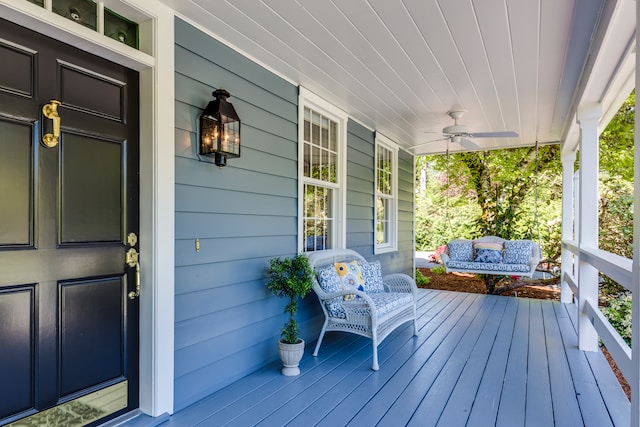
First impressions matter, especially in the world of real estate. The exterior appearance of a commercial property significantly influences potential tenants’ and buyers’ perceptions and decisions. Commercial painting can breathe new life into tired and worn-out exteriors, enhancing curb appeal and making a positive impression on visitors, tenants, and investors. A fresh coat of paint can transform outdated facades into attractive, modern spaces that stand out in competitive markets, ultimately increasing the property’s desirability and value.
Creating a Professional Image
Projecting a professional image is essential for attracting high-quality tenants and commanding premium rents. Commercial painting allows property owners to maintain and enhance the professionalism and credibility of their properties.
By investing in high-quality paint finishes and meticulous application techniques, property owners can create clean, polished environments that inspire confidence and trust in prospective tenants and investors. A well-maintained and visually appealing property reflects positively on its owners and reinforces the perception of quality and attention to detail.
Protecting and Preserving Assets
Beyond aesthetics, commercial painting serves a practical function by protecting and preserving commercial property assets. Exposure to environmental elements such as sunlight, rain, snow, and pollutants can take a toll on building exteriors over time, leading to deterioration and structural damage. Quality exterior paint acts as a barrier against moisture, UV radiation, and other harmful elements, preventing premature aging and extending the lifespan of building materials.
Adapting to Market Trends and Tenant Preferences
The needs and preferences of commercial tenants evolve over time, driven by changing market trends, industry standards, and consumer demands. Commercial painting offers property owners the flexibility to adapt to these evolving trends and cater to tenant preferences effectively. Whether it’s updating interior color schemes to create vibrant, contemporary workspaces or refreshing common areas with trendy accent walls and finishes, commercial painting allows property owners to stay ahead of the curve and meet the demands of discerning tenants.
Conclusion
Commercial painting is a valuable investment strategy that adds significant value to real estate investments. By enhancing curb appeal, creating a professional image, protecting and preserving assets, and adapting to market trends and tenant preferences, commercial painting contributes to the overall success and profitability of commercial properties.
Property owners who prioritize regular maintenance and strategic painting projects can differentiate their properties in competitive markets, attract high-quality tenants, and achieve maximum returns on their real estate investments.