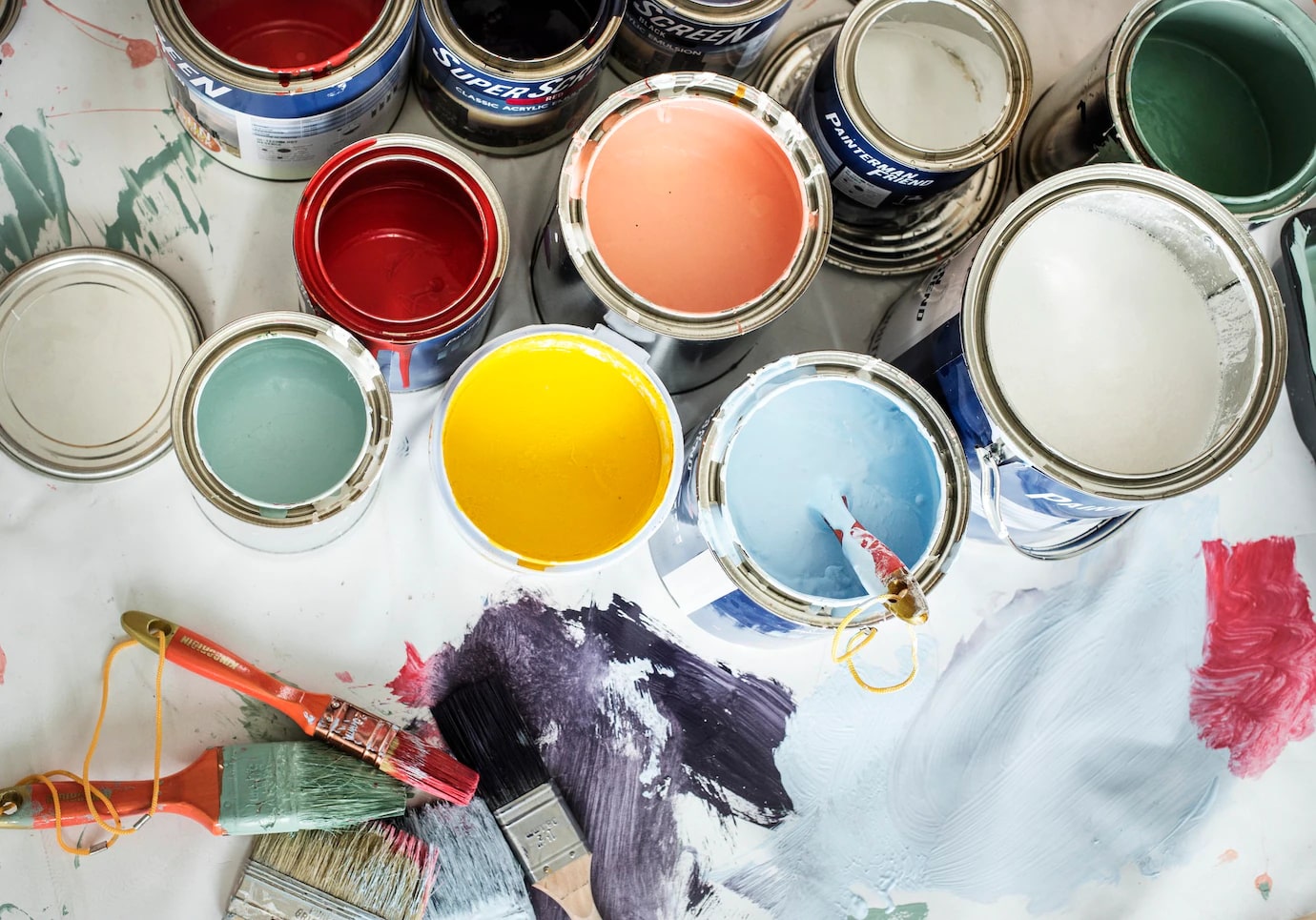
Transforming your living space with a fresh coat of paint doesn’t have to break the bank. With some budget-friendly painting tips and creativity, you can give your home a makeover without overspending. This article unveils strategic and cost-effective approaches that will help you save money on your next painting project while achieving stunning results
1. Plan and Prep Carefully
Before you start painting, invest time in planning and preparation. Create a detailed plan that includes the type and amount of paint needed, the color scheme, and any necessary repairs or surface preparation. Adequate planning reduces the risk of costly mistakes.
2. Choose the Right Paint
Opt for high-quality paint brands that offer good coverage and durability. While premium paints may have a higher upfront cost, they often require fewer coats and provide better long-term value.
3. Calculate Paint Quantity Accurately
Measure your walls and surfaces accurately to determine the amount of paint required. Many paint retailers offer online calculators to help you estimate the number of gallons needed. Avoid overbuying to save money.
4. Shop Sales and Discounts
Look for paint sales, promotions, and discounts at local home improvement stores. Buying paint during seasonal sales or holiday promotions can lead to significant savings.
5. Consider Mis-Tinted Paint
Mis-tinted paint, which wasn’t mixed to the desired color by a previous customer, is often available at a fraction of the cost. Check with paint stores for mis-tinted options that may match your project needs.
6. Reuse or Recycle Old Paint
If you have leftover paint from previous projects, check if it suits your current project. Properly stored paint can often be reused, saving you the expense of buying new cans.
7. DIY Surface Preparation
Save money by handling surface preparation yourself. Fill holes, sand surfaces, and clean walls before painting. These DIY tasks can improve the quality of the finished paint job and reduce labor costs.
8. Use Primer Wisely
Primer is essential for certain situations, but you may not always need it. If you’re painting over a surface that’s already painted with a similar color and in good condition, you can often skip the primer, saving both time and money.
9. Paint Efficiently
Use efficient painting techniques to minimize paint waste. Start with the edges and corners using a brush, and then use a roller for larger areas. Paint in a “W” or “M” pattern to evenly distribute the paint.
10. Reclaim and Refinish Furniture
Instead of buying new furniture, consider refinishing or repainting your existing pieces. A fresh coat of paint can breathe new life into old furniture, saving you the cost of replacements.
11. Recycle and Upcycle Decor
Repurpose and upcycle decorative items in your home by painting them to match your new color scheme. This allows you to update your decor on a budget.
12. Hire Professional Help Selectively
While DIY painting can save money, there are instances where professional assistance is worthwhile. Hire professionals for complex tasks or challenging surfaces to ensure a quality finish.
13. Clean and Store Brushes Properly
Extend the life of your paintbrushes by cleaning them thoroughly after each use. Properly stored brushes can be reused for future projects, reducing the need to purchase new ones.
14. Dispose of Paint Responsibly
Dispose of leftover paint responsibly by following local regulations. Many communities have paint recycling programs that can help reduce waste and environmental impact.
With these budget-friendly painting tips, you can revitalize your home without overspending. By planning carefully, shopping smartly, and using resources wisely, you’ll achieve stunning results while keeping your painting project within your budget. Give your home the makeover it deserves without breaking the bank.